
Workshop Programme
The workshop programme provides you with basic training in the craft.
Workshop programme
Learn how to work in a workshop
The first three semesters of the Technology Management and Marine Engineering programme make up the workshop-based part of the programme.
During this period, you will develop a solid foundation in the practical and technical skills needed to progress to the fourth semester.
What do you learn?
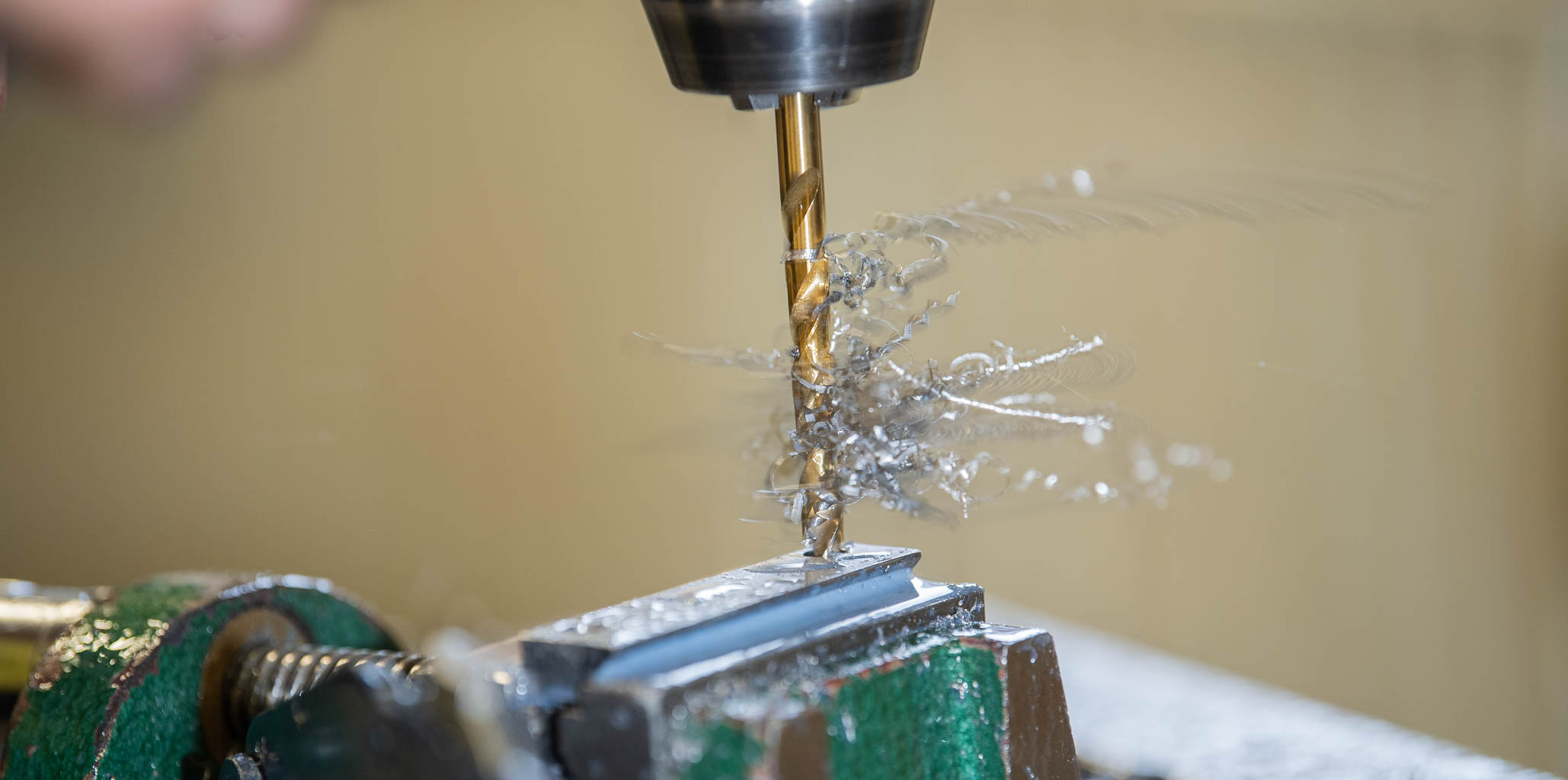
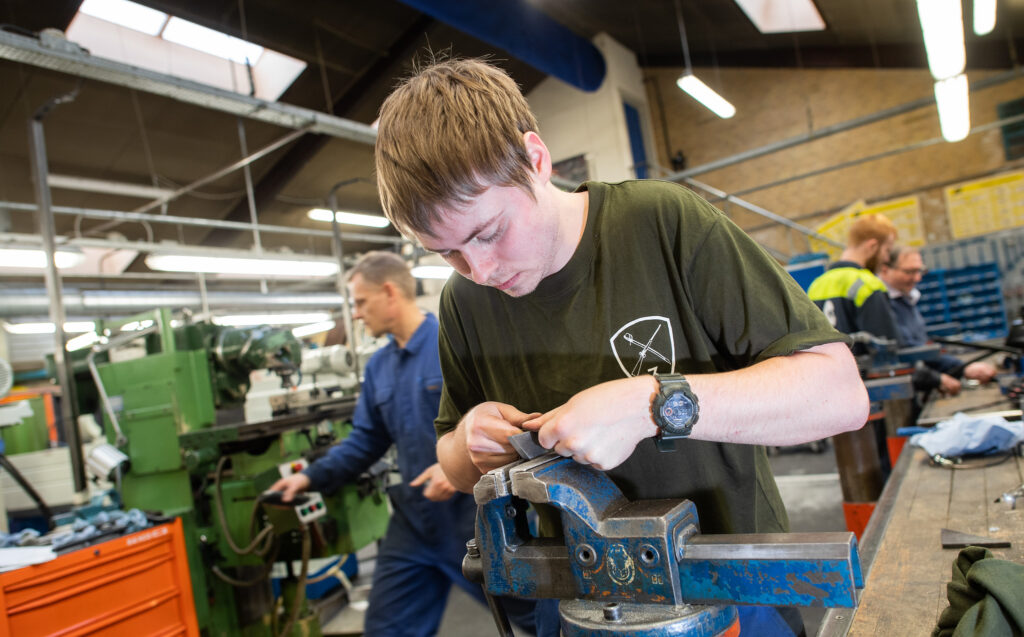
- Mechanical engineering work: manual machining, turning, milling and welding
- Electrical work
- Internal combustion engines
- Understanding of materials
- Pneumatics and hydraulics
- Project planning: technical drawings, technical documentation, health and safety
9-week project
Workshop project
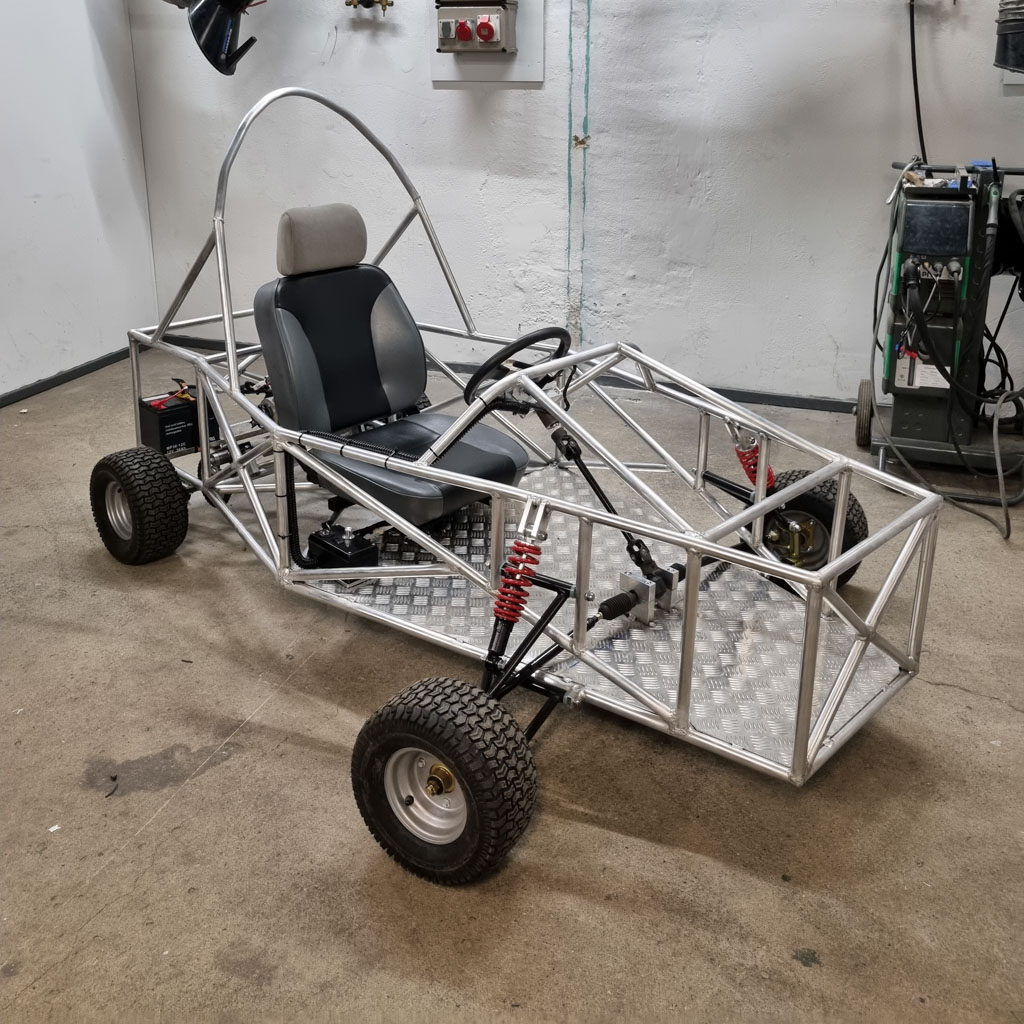
In the second semester, you’ll build on everything you learnt in the first semester and, working with your group, develop your very own project.
The project gives you the opportunity to apply your new knowledge and skills, and takes you through the project process from the concept phase to the finished, physical project.
You’ll work independently on the project within your groups, but the tutors are always on hand to guide, advise and provide feedback.
At the end of the project phase, we’ll hold project presentations where family and friends are invited to see what you’ve learnt over the course of one and a half semesters – because it’s actually quite a lot!
Workshop placement
Apply your new skills during your apprenticeship
The apprenticeship in the 2nd and 3rd semesters gives you experience in the practical application of the skills you have acquired.
You have the option of finding an apprenticeship on land or at sea. The apprenticeship must simply take place within the field of work you studied in the 1st semester.
The apprenticeship is worth 45 ECTS credits; for a land-based apprenticeship, this corresponds to 1.5 semesters of standard working conditions. For an apprenticeship at sea, the 45 ECTS credits require a minimum of 6 months (183 days) of effective sea time.
Nice to know
Transition from upper secondary school to higher education
When you start the first semester of the programme, you will find that you are responsible for your own learning. You will need to organise your work independently and seek out knowledge yourself. You will also find that you have a greater responsibility to complete your assignments and to work effectively in different group settings.
Group work on the workshop programme
A key part of the workshop programme is learning to collaborate with other students. You will therefore undertake a great deal of group work during the programme, working together to complete practical tasks and projects. Indeed, being able to communicate and work together with others is a vital part of the Technology Management and Marine Engineering programme.
Do I have to find an apprenticeship myself?
You are responsible for finding an apprenticeship yourself. This gives you the opportunity to find an apprenticeship in a field that interests you.
Our internship advisers will, of course, be happy to help you if you’re having trouble finding an internship.
Structure of the programme
Four stages – one programme
4½ years · 270 ECTS — structured so that theory and practice go hand in hand throughout the programme.
Workshop programme
Basic training in technical drawing, welding, turning, etc. You will undertake a project and complete an apprenticeship.
Read more 02Theory semesters
Electrical systems, management, processes, maintenance. You’ll work in laboratories, simulators and engine rooms.
Read more 03Bachelor internship
A semester working in industry or at sea — with real responsibility. Put the knowledge you’ve gained throughout your course into practice.
Read more 04Bachelor's project
A final project, often carried out in collaboration with a company and based on a real-world challenge it faces. The course concludes with an oral examination based on your project.
Read more