
Bachelor internship
In the 9th semester, you’ll undertake a bachelor internship. You choose your internship organisation yourself, and will typically write your bachelor’s project based on a project from that organisation.
The final internship
Bachelor internships
9th semester. Almost at the end of the Operations Engineering programme. All that remains now is the bachelor internship before the bachelor’s project is to be written.
During the internship, you will have the opportunity to apply the knowledge and skills you have built up throughout the programme to specific work tasks in the business world.
You’ll find your own internship company, which gives you the freedom to choose an industry or specialist area that interests you. This could be, for example, within industry, energy, utilities, manufacturing or the maritime sector. You can also choose to undertake your internship abroad if you wish to try your hand at the operations engineering profession in an international context.
During the internship, you will gain an insight into the company’s day-to-day operations and have the opportunity to work on real-world technical challenges. The internship period also often forms the basis for your final bachelor’s project, which you will typically undertake in collaboration with the host company. In this way, you’ll have the opportunity to contribute concrete solutions, whilst gaining valuable professional experience and building contacts that may prove relevant to your future career as an operations engineer.
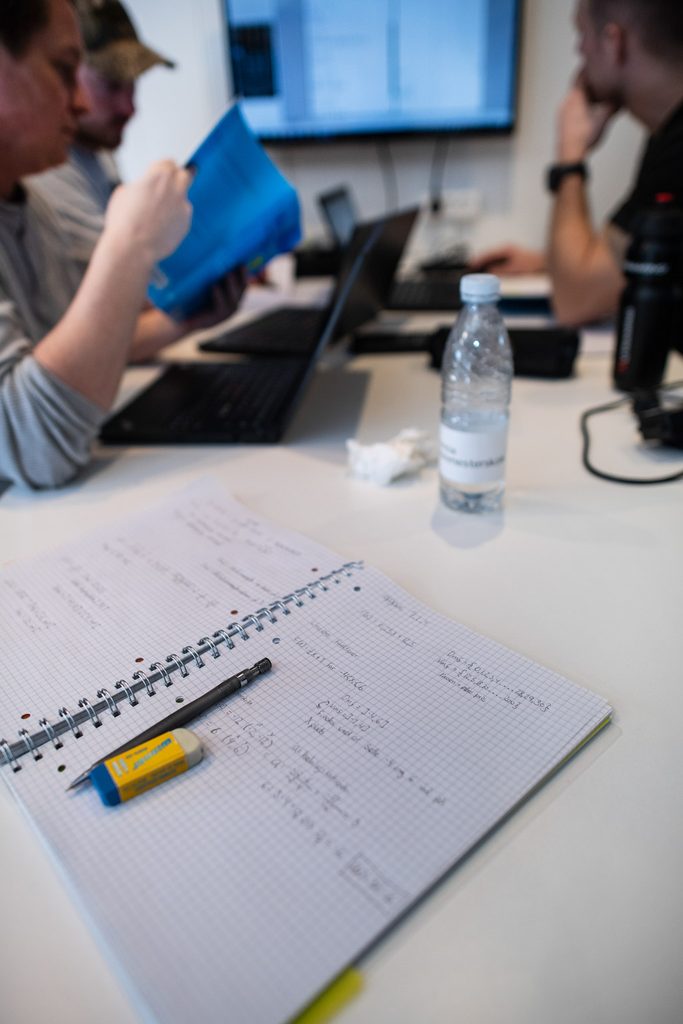
The bachelor’s internships enables our students to get out into the workplace and gain practical experience in their chosen profession
Peter Skovgaard
Associated Professor
Examples of sectors
- Energy supply, e.g. power stations, renewable energy and PtX facilities
- Construction and civil engineering, e.g. in the fields of ventilation, heating and maintenance
- Industry, e.g. manufacturing companies
- Shipping, e.g. ferries, the merchant fleet or long-distance shipping
- Services, trade and consultancy, e.g. in consultancy firms
Find an internship
Career fairs
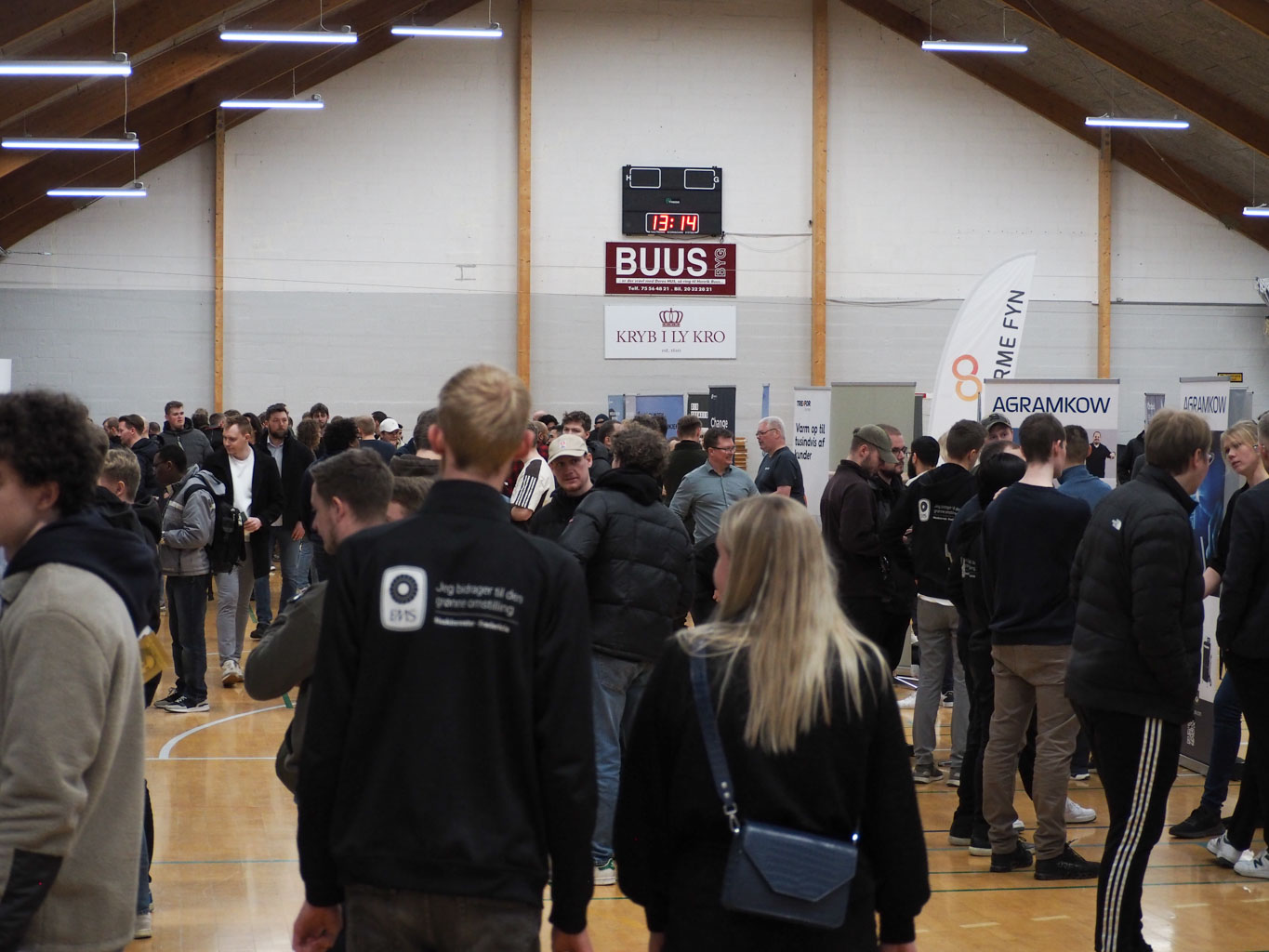
Before you start your bachelor internship, you’ll have the opportunity to take part in a careers and internships fair. In the spring semester, this is held in-house at FMS in Fredericia, where all FMS students from all campuses are invited to attend.
In the autumn semester, you’ll have the chance to attend Business Esbjerg’s careers fair, which features a large number of companies recruiting operations engineers.
The careers and internships fairs are excellent opportunities to speak to potential internship companies. You might even secure an internship on the very same day
Nice to know
When do I need to do my bachelor internship?
The bachelor internships takes place in the final semester of the programme (9th semester). The internship is worth 15 ECTS credits.
For onshore internships, the placement must comprise at least 10 weeks of full-time work. For at-sea internships, the placement must comprise at least 50 days of effective sailing time.
Topics/tasks
The internship must consist of tasks relevant to the operations engineer programme, including in the areas of energy, the environment, safety, technology, operations and management. You will agree on your work tasks in consultation with the host organisation.
Bachelor internship and project at the same location
If you choose to write your bachelor’s project at your internship organisation, the placement period can be extended so that you also have the opportunity to work on the project whilst on placement.
Why do I need to do an internship?
The bachelor internship is designed to teach you to work in a development-oriented and problem-solving manner within the profession. You must be able to draw connections between practical experience and theoretical knowledge, and be able to identify and analyse topics, areas and issues that are central to the operations engineer profession. The internship should also facilitate the exchange of experiences and values between the educational institution and the industry, and provide you with a foundation for building a professional network.
Structure of the programme
Four stages – one programme
4½ years · 270 ECTS — structured so that theory and practice go hand in hand throughout the programme.
Workshop programme
Basic training in technical drawing, welding, turning, etc. You will undertake a project and complete an apprenticeship.
Read more 02Theory semesters
Electrical systems, management, processes, maintenance. You’ll work in laboratories, simulators and engine rooms.
Read more 03Bachelor internship
A semester working in industry or at sea — with real responsibility. Put the knowledge you’ve gained throughout your course into practice.
Read more 04Bachelor's project
A final project, often carried out in collaboration with a company and based on a real-world challenge it faces. The course concludes with an oral examination based on your project.
Read more